

Scan QRCode

Find phone number
+84911459986

A ladder hinge may look fine at first glance, but is it locking correctly? For multi-purpose folding ladders, hinges and locking mechanisms are essential components that help hold the ladder in its intended configuration.
Regular inspection can help identify visible damage before use and reduce the risk of using defective equipment. Whether you are a homeowner, contractor, or ladder distributor, knowing what to check is an important part of ladder safety.
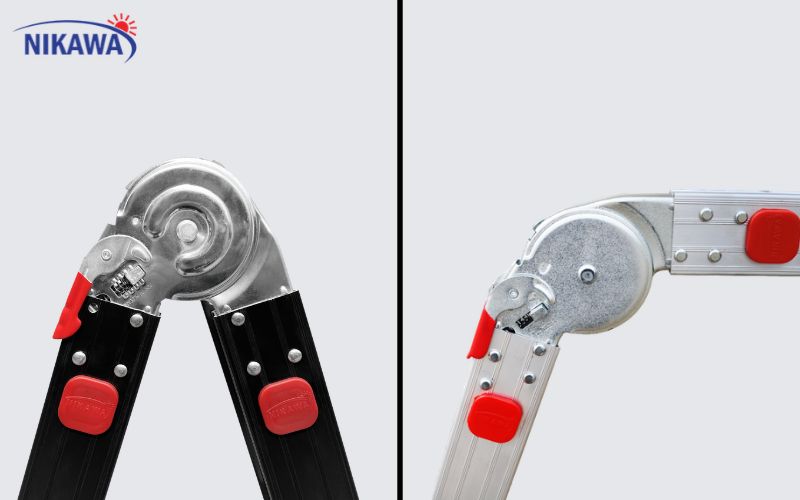
Ladder hinges allow different sections to move between approved positions, while locking mechanisms secure the ladder in the selected configuration.
If a hinge is damaged or a lock fails to engage, the ladder may become unstable or collapse. Always follow the manufacturer's operating instructions, as locking designs and inspection procedures can vary between models.
Inspect each hinge and its surrounding components for cracks, bending, deformation, corrosion, or other visible damage.
Pay particular attention to areas around pivot points, pins, and attachment points. Do not use a ladder with damaged structural components.
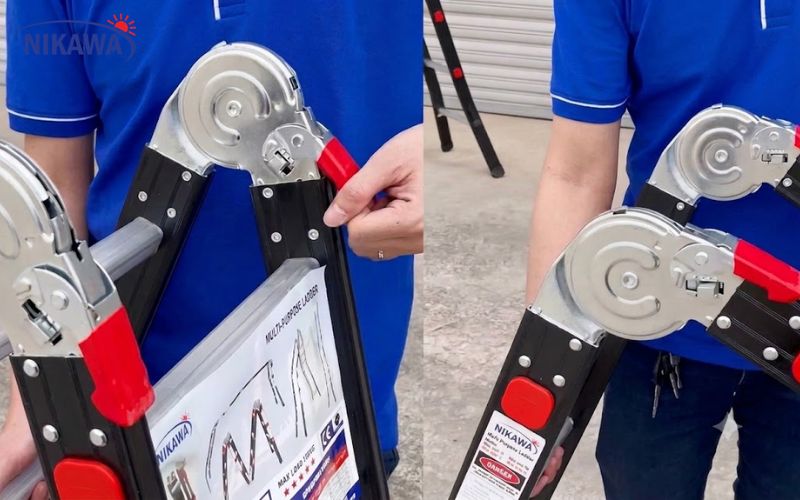
Operate the hinges according to the manufacturer's instructions. Confirm that each locking mechanism engages fully in the intended position.
Do not assume that a hinge is locked simply because it looks aligned. Check the position indicators or other locking confirmation features provided by the manufacturer.
Check that the hinge pins, rivets, bolts, and other fasteners are present and show no obvious signs of loosening, damage, or excessive wear.
Loose or missing components can affect the integrity of the hinge assembly. Do not attempt to compensate for a defective lock by tightening or modifying parts without appropriate manufacturer guidance.
Move the hinge through its permitted range according to the instructions. Watch for sticking, binding, unusual movement, or excessive looseness.
A small amount of clearance may be part of the mechanism's design. However, movement that appears abnormal, prevents secure engagement, or differs from the manufacturer's specifications should be investigated before the ladder is used.
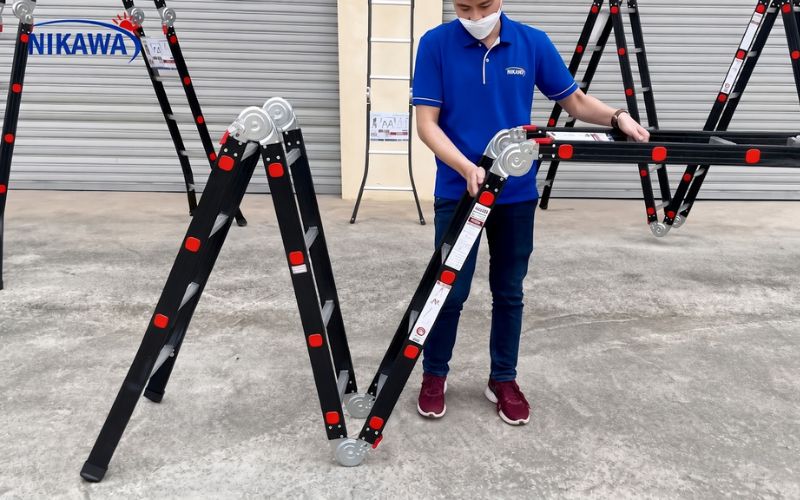
Whenever you change the ladder configuration, check every relevant locking point again.
Make sure the ladder is fully configured as instructed and that all required locks are engaged before climbing. Never use a ladder with a locking mechanism that cannot be confirmed as secure.
If you find a damaged hinge, a missing pin, a faulty lock, or another structural defect:
Always refer to the product's instructions for the correct inspection and maintenance procedure.
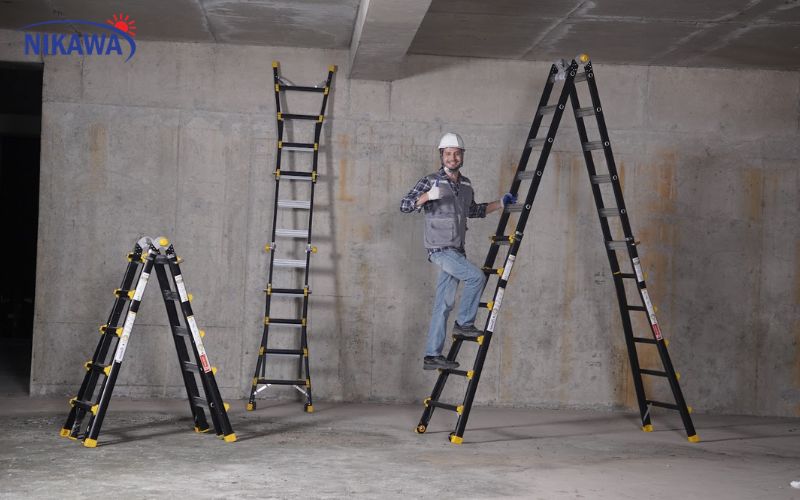
For multi-position ladder manufacturers and buyers, hinge design is an important factor when evaluating product quality.
When assessing a ladder model, consider the locking mechanism's operation, the condition of its components, the security of its fasteners, and the clarity of its operating instructions. Product testing and applicable safety documentation should also be reviewed as part of supplier evaluation.
A good inspection routine supports safe use, while appropriate product design and quality control help manufacturers deliver consistent products to their customers.
If you are sourcing multi-position ladders, contact Nikawa to discuss product specifications, quality requirements, and potential OEM/ODM cooperation.


VAL TRADING AND PRODUCTION JOINT STOCK COMPANY.
Address: Dan Phuong Industrial Zone, Dan Phuong District, Ha Noi City, Vietnam 10000
Tel: (+84) 987 911 045
Email: info@nikawa.vn